
You’ve probably tried a serum that promised to erase fine lines and delivered absolutely nothing. That’s not your problem. That’s a formulation problem. Most anti-aging serums sit on the surface and call it a day. Stem cell serums work differently, and the science actually backs that up.
Clinical studies show up to a 30-40% decrease in fine line depth after 8-12 weeks of consistent use with well-formulated stem cell serums. That’s not marketing copy. That’s measurable change at the cellular level. This article breaks down exactly how it happens, and what separates a product that works from one that just looks good on a shelf.
Here’s what we’re covering:
- How stem cell serums actually target fine lines at the cellular level
- The key ingredients that drive real, visible results
- How stem cell serums compare to Botox and other anti-aging treatments
- How to apply them correctly for maximum absorption and results
- What nobody tells you: why consistency matters more than concentration
One brand that takes this science seriously is Formidabless. Our Hydra Stem-Cell Super Charging Face & Eye Treatment is built around the same cellular principles we’re about to unpack. Keep reading.
How Stem Cell Serums Target Fine Lines at the Cellular Level
Fine lines aren’t a surface problem. They’re a structural one. The skin loses its scaffolding. Collagen and elastin fibers break down, elastin degradation accelerates, and what’s left is skin that can no longer snap back the way it used to. That’s where stem cell serums come in.
Most traditional treatments work on the top layer of the skin. Stem cell serums work underneath it, at the cellular level, by delivering bioactive compounds that signal your skin’s own fibroblasts to get back to work.
The Biological Chain Reaction
Here’s what actually happens when a well-formulated stem cell serum absorbs into your skin:
- Growth factors penetrate the dermis and bind to fibroblast receptors
- Fibroblasts activate, triggering collagen synthesis and elastin production
- New connective tissue forms, gradually restoring skin firmness from below
- Cellular regeneration speeds up, replacing older, damaged skin cells with fresher ones
- Skin texture and tone improve as the dermal structure rebuilds over weeks
This is the healing and regeneration process that slows down naturally with age and sun exposure. A good stem cell serum doesn’t override it. It restores it.
What Makes Fine Lines Form in the First Place
Understanding the problem makes the solution clearer:
- Collagen loss: Your skin loses roughly 1% of its collagen per year after age 20
- Elastin degradation: Elastin fibers weaken and thin, reducing the skin’s ability to bounce back
- Slower cell turnover: Dead skin cells build up, making lines look deeper and skin appear dull
- Sun damage: UV exposure accelerates the breakdown of collagen and blood vessels in the dermis
- Reduced hyaluronic acid: Skin loses its ability to retain moisture, making fine lines more visible
Stem cell serums address all of these pathways, not just one. That’s what separates them from a standard moisturizer.
Pro tip: A Mayo Clinic trial found statistically significant reductions in wrinkles, redness, and melanin after just six weeks of use with a growth factor-based serum, alongside improved luminosity and more even skin tone. Six weeks is the minimum viable timeline to judge any stem cell skincare product.
The Key Ingredients That Drive Real, Visible Results
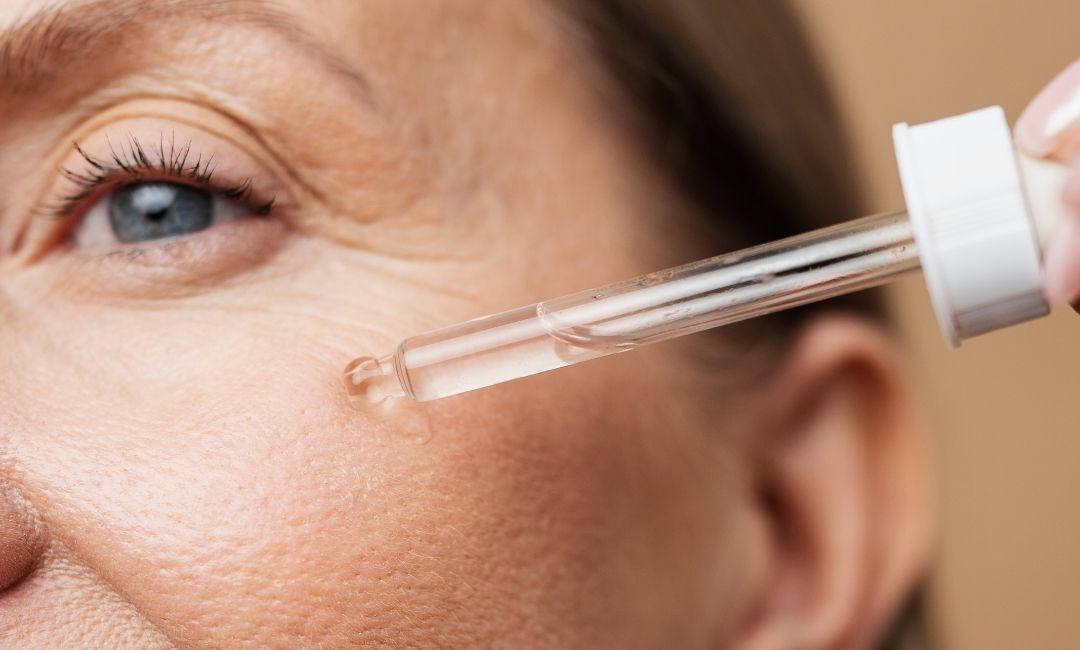
Not all stem cell serums are the same. The label might say “stem cell technology,” but what’s actually doing the work is the supporting cast of bioactive compounds. Here’s what to look for, and what each one actually does.
The Core Ingredients, Ranked by Impact
| Ingredient | What It Does | Why It Matters |
|---|---|---|
| Growth factors (EGF, FGF, TGF-beta) | Signal fibroblasts to produce collagen and elastin | The primary driver of wrinkle reduction |
| Mesenchymal stem cell conditioned media | Delivers proteins, cytokines, and exosomes from human stem cells | Closest to biological skin repair signals |
| Peptides | Short amino acid chains that stimulate collagen synthesis | Proven, well-researched anti-aging support |
| Hyaluronic acid | Draws moisture into the skin, plumping fine lines | Immediately improves hydration and skin texture |
| Apple stem cells | Plant-derived antioxidants that support skin cell longevity | Protective, not regenerative |
| Vitamin C | Boosts collagen production, fades dark spots and age spots | Works synergistically with growth factors |
Growth Factors: The Real Workhorse
Growth factors are the reason stem cell serums outperform most traditional treatments. Specifically:
- EGF (Epidermal Growth Factor): Accelerates skin cell renewal and supports skin repair
- FGF (Fibroblast Growth Factor): Drives collagen and elastin production in the dermis
- TGF-beta: Regulates connective tissue formation and reduces visible signs of inflammation
According to a 2024 review from Rutgers Robert Wood Johnson Medical School, growth factors derived from mesenchymal stem cells carry bioactive compounds including TGF-beta, VEGF, and EGF, and their lipid bilayer structure protects these compounds from breaking down in the skin environment.
Peptides: The Underrated Ingredient
Peptides work alongside growth factors to boost collagen synthesis over time. They’re smaller than most proteins, which means they can penetrate deeper into the dermis. Look for:
- Palmitoyl Tripeptide-1: Stimulates collagen and hyaluronic acid production
- Acetyl Hexapeptide-3: Relaxes micro-tension in facial muscles, softening expression lines
- Copper peptides: Support skin repair and have antioxidant properties
The Hydra Stem-Cell Super Charging Face & Eye Treatment from Formidabless pairs stem cell extracts with this kind of layered, science-backed ingredient philosophy, which is exactly the approach that produces visible results versus just claimed ones.
Stem Cell Serums vs. Botox and Other Treatments
This is the comparison most people actually want answered. Which one wins?
The real answer: they’re not competing. They’re solving different problems.
Side-by-Side Comparison
| Treatment | How It Works | Timeline | Results Duration | Best For |
|---|---|---|---|---|
| Stem cell serums | Stimulates cellular regeneration and boosting collagen | 6-12 weeks | Long-term with consistent use | Fine lines, skin quality, overall skin health |
| Botox | Temporarily relaxes facial muscles | 24-72 hours | 3-4 months | Deep expression lines (forehead, crow’s feet) |
| Chemical peels | Removes outer skin layers to trigger regeneration | 1-2 weeks recovery | 1-6 months | Uneven skin tone, acne scars, sun damage |
| Stem cell injections | Delivers stem cell therapy directly into tissue | Weeks to months | Long-term, still being studied | Volume loss, damaged tissue, medical use |
| Dermal fillers | Physically restores volume beneath skin | Immediate | 6-18 months | Deep folds, volume loss |
| Microneedling | Creates micro-channels to trigger collagen response | 1-3 sessions | 6-12 months | Skin texture, acne scars, skin firming |
Where Stem Cell Serums Win
- Skin health overall: They improve the quality of skin over time, not just the appearance
- Sensitive skin: No downtime, no harsh chemicals, no recovery
- Long-term maintenance: Used consistently, they slow the progression of skin aging
- Layering potential: They work with Botox, fillers, or microneedling, not against them
- Broader skin concerns: Dark spots, uneven skin tone, age spots, and dullness all respond well
Where Stem Cell Serums Have Limits
- Deep structural wrinkles need Botox or fillers
- Severe volume loss requires injectables to restore volume
- Advanced skin conditions may need clinical stem cell treatments or aesthetic medicine intervention
The smart play: Pair a stem cell serum with your existing treatments as a maintenance layer. Regenerative medicine works best when it supports healthy skin that’s already being cared for, not when it’s expected to do everything alone.
How to Apply Them for Maximum Results
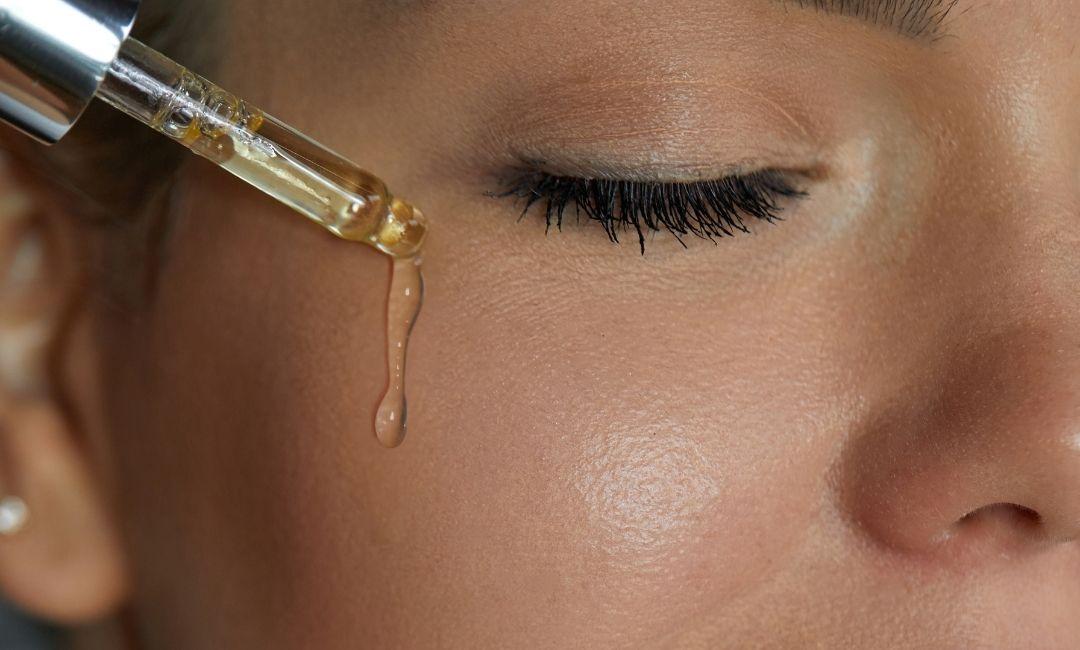
You can have the best stem cell serum on the market and still get mediocre results if you apply it wrong. Delivery matters.
The Optimal Application Routine
Morning routine:
- Cleanse gently with a non-stripping cleanser (the Formidabless Deep Foaming and Nourishing Cleanser works well here)
- Apply toner to balance pH and prep skin for absorption
- Apply stem cell serum to damp skin using 2-3 drops, patted in, not rubbed
- Layer hyaluronic acid if not already in the serum, to lock in hydration
- Follow with moisturizer to seal the active ingredients in
- SPF, always. Sun exposure undoes collagen production. No exceptions.
Evening routine:
- Double cleanse to remove SPF and buildup
- Apply your stem cell serum while the skin is still slightly damp
- Follow with your Evening Peptide Cream to support overnight repair
- Let the skin regeneration process happen while you sleep
Application Mistakes That Kill Results
- Rubbing instead of patting: Friction reduces absorption and irritates delicate skin
- Applying to completely dry skin: Damp skin absorbs serums significantly better
- Skipping SPF: UV damage degrades the collagen your serum just helped build
- Mixing with harsh chemicals immediately: Give the serum 2-3 minutes before layering retinoids
- Inconsistent use: The single biggest reason stem cell serums “don’t work”
What Nobody Tells You: Consistency Over Concentration
Here’s the thing most brands won’t say out loud: a 2% growth factor serum used every single day will outperform a 10% serum used three times a week. Every time.
Skin regeneration is a process, not an event. Collagen synthesis takes weeks. Elastin production takes months. The healing and regeneration process that stem cell serums support is cumulative. It builds on itself.
The Real Timeline of Results
| Week | What’s Happening Under the Surface | Visible Change |
|---|---|---|
| 1-2 | Growth factors begin binding to fibroblast receptors | Improved hydration, subtle glow |
| 3-4 | Collagen synthesis begins accelerating | Skin feels firmer, fine lines look softer |
| 6-8 | New collagen fibers start reinforcing skin structure | Visible wrinkle reduction, improved texture |
| 10-12 | Elastin production improves, skin regains resilience | Youthful skin appearance, improved skin elasticity |
| 3-6 months | Cumulative regeneration, ongoing improvement | Radiant skin, reduced age spots, and more even skin tone |
Why People Quit Too Early
Most people stop using a product at week 3, right before it starts working. The underlying health of your skin isn’t visible yet at that point. The cellular level changes are happening. You just can’t see them.
Skin cell turnover takes 28-40 days on average. Collagen and elastin production run even slower. A serum can only work as fast as your biology allows.
- Set a 90-day minimum before judging any stem cell serum
- Take weekly photos in consistent lighting to track real change
- Don’t stack too many actives early on, especially on sensitive skin
- Watch for subtle signs first: hydration, plumpness, and a more radiant complexion usually come before wrinkle reduction
The bottom line: Stem cell technology in skincare is genuinely exciting, and the science behind growth factors, peptides, and cellular regeneration is real. But it only works if you show up for it daily. Consistency is the ingredient no label lists, and it’s the one that matters most.
The Non-Surgical Collagen Restoration System from Formidabless is designed with exactly this long-game approach in mind: a complete system that supports collagen and elastin production, skin repair, and youthful appearance over time, not overnight.
Fine Lines Meet Their Match With Formidabless
Stem cell serums aren’t a shortcut. They’re a commitment to skin health that pays off over time, backed by real science and a biology that rewards consistency. The results don’t come from one impressive ingredient. They come from the right ingredients, applied the right way, every single day.
Key takeaways:
- Fine lines are a structural problem; stem cell serums fix them from the cellular level up
- Growth factors and peptides are the ingredients that actually drive collagen and elastin production
- Stem cell serums complement Botox and fillers rather than compete with them
- Damp skin, gentle patting, and daily SPF dramatically improve serum performance
- 90 days minimum is the real timeline for judging visible results
Formidabless built its entire line around this long-game philosophy: organic-based formulas that work with your skin’s regeneration process, not against it. Whether you start with the Hydra Stem-Cell Super Charging Face & Eye Treatment or build out a full routine through the Daily Necessities Collection, you’re choosing skin care that respects the science and delivers on it.
FAQs
Do Stem Cells Reduce Wrinkles?
Yes, and the mechanism is well-documented. Stem cell serums deliver growth factors and bioactive compounds that trigger collagen and elastin production, which gradually reduce wrinkles over consistent use. They’re unique cells capable of signaling skin repair at a depth most serums simply never reach.
How Does Stem Cell Serum Work?
A stem cell serum works by delivering regenerative properties from stem cell extracts directly into the dermis. These compounds activate specialized cells called fibroblasts, pushing them to rebuild connective tissue. The result is firmer, more resilient skin over time, without anything minimally invasive required.
Can Serum Remove Fine Lines?
Completely removing deep lines takes more than a serum. That said, well-formulated stem cell serums with advanced technology can visibly soften fine lines through skin rejuvenation over 8-12 weeks. Surface lines respond fastest. Pair your serum with a consistent skincare routine and SPF for the best results.
Can Stem Cells Reverse Aging?
Stem cell therapy works by slowing and partially reversing visible signs of aging, not biological age itself. Unique cells derived from fat tissue or plant sources help restore collagen density, even out skin tone, and improve skin texture. A glowing complexion and firmer skin are realistic outcomes.
How to Make Your Skin Look 20 Years Younger?
No single product gets you there. A strong skincare routine combining stem cell serums, peptides, SPF, and good hydration will take you furthest. Add minimally invasive treatments like microneedling when needed. Consistency with products that carry real regenerative properties is what creates a genuinely skin-radiant result over time.