Most people think stem cells belong in a lab. In a clinical trial. In some breakthrough cancer research. Not in their moisturizer. But here’s the thing: they’re already in some of the most effective anti-aging formulas on the market, and the science behind them is more grounded than the hype suggests.
As we age, stem cell function declines, meaning the body produces fewer healthy skin cells over time, and that’s when fine lines, sagging, and dullness start showing up uninvited. This article cuts through the noise and gives you a straight answer on what stem cells actually do for your skin.
Here’s what we’re covering:
- What stem cells are and how they function at the skin level
- The difference between plant, human, and lab-cultured stem cells
- What stem cell skincare products actually contain (and what they don’t)
- How to read labels and choose the right product for your skin type
- The honest truth: what stem cells can and cannot fix
That last point is one most brands skip entirely. We won’t. Formidabless has built its Hydra Stem-Cell Super Charging Face & Eye Treatment around this exact science: organic-based, results-driven, and zero fluff. More on that as we go.
What Stem Cells Are (and What They Do to Your Skin)
Think of stem cells as your skin’s repair crew. They sit quietly in the deepest layer of your skin until something signals them to get to work, and then they divide, regenerate, and replace damaged or aging cells.
Skin stem cells are multipotent adult stem cells that can self-renew and differentiate into different cell lineages. They stay active during skin renewal throughout your life, and kick into gear during skin repair after injury.
Where They Live in Your Skin
Stem cells within the skin are named after the specific niche they occupy, and your skin has several:
- Interfollicular epidermal stem cells – maintain the outermost skin layer day-to-day
- Hair follicle stem cells – support regeneration and repair cycles
- Melanocyte stem cells – regulate skin pigmentation
- Dermal stem cells – the largest reservoir, sitting deeper in the skin
What Happens When They Slow Down
Here’s where aging enters the picture. As stem cell function declines with age, the body produces fewer healthy skin cells, which leads to the appearance of fine lines, wrinkles, and other visible signs of aging. Sun exposure speeds this up. Time does it regardless.
Stem cells are the only cells in the body capable of forming an entirely new cell type, which is what makes them so valuable in anti-aging skincare research.
What They Actually Do, Simply Put
| Function | What It Means for Your Skin |
|---|---|
| Self-renewal | Continuously replace old, damaged cells |
| Collagen stimulation | Signal fibroblasts to produce new collagen |
| Repair signaling | Detect where damage is and respond to it |
| Antioxidant activity | Protect cells from free radical damage |
That repair signaling is exactly what the Hydra Stem-Cell Super Charging Face & Eye Treatment from Formidabless is formulated around: getting those biological signals working at a deeper level, where most products simply never reach.
Pro tip: No skincare product contains live stem cells. What they contain are stem cell extracts and signaling compounds. The next section explains exactly what that means and why it still works.
Plant, Human, and Lab-Cultured Stem Cells
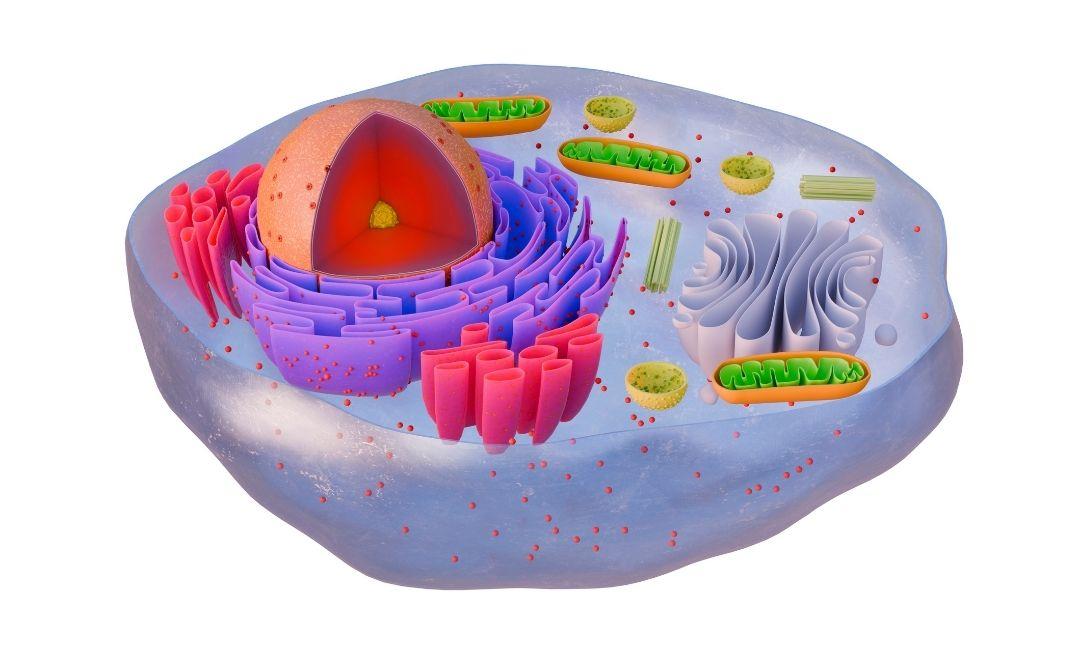
Not all stem cells in skin care are the same. The source matters, the formulation matters, and honestly, so does the marketing. Here’s the breakdown you actually need.
The Three Types, Compared
| Type | Source | Used in Skincare? | Key Benefit |
|---|---|---|---|
| Plant stem cells | Botanical extracts (apple, grape, edelweiss) | Yes, most common | Antioxidant properties, supports skin renewal |
| Human stem cells | Adult adipose (fat) tissue | Rarely, ethically sourced only | Closest biological match to skin cells |
| Animal stem cells | Veterinary and research use | Rarely | Limited application, not interchangeable with human |
| Lab-cultured | Controlled lab environments | Growing use | Consistent quality, ethical sourcing |
Plant Stem Cells: The Most Common Type
When a product says “stem cells,” it almost always means plant stem cells. These are derived from botanical sources like grape seeds, Swiss apples, and edelweiss. They can’t become human skin cells. That’s just biology. But that doesn’t mean they’re useless.
Plant-derived stem cells are rich in antioxidants, peptides, and amino acids that support your skin’s own repair process. Think of them as fuel for the fire, not the fire itself. They work particularly well when paired with other active ingredients like retinol or growth factors.
Popular plant-based sources and what they do:
- Grape seeds: Antioxidant-rich, supports hydration and elasticity
- Swiss apple: Associated with extending skin cell longevity
- Edelweiss: Anti-inflammatory, great for sensitive skin and delicate skin around the eyes
Human Stem Cells: The Biological Match
Human stem cells are genuinely more compatible with human skin, but they’re far less common in over-the-counter products. Volume is the problem. The human body has relatively few stem cells, and sourcing them ethically at scale is difficult. When they are used, they’re typically derived from adult fat tissue through procedures like liposuction.
The growth factors secreted by human stem cells communicate directly with your skin cells in a way that plant cells simply cannot replicate.
Lab-Cultured Stem Cells: The Future
Lab-cultured stem cells offer something neither plant nor human sources can consistently guarantee: controlled quality. Researchers can regulate potency, purity, and stability. It’s still an emerging space, but one worth watching closely.
What’s Actually in Your Stem Cell Product
Here’s the part most brands skip. Your serum does not contain living stem cells. Full stop.
Living stem cells are too large to penetrate the skin’s outer layer, too fragile to survive in a formula sitting on a shelf, and potentially reactive to the immune system if they were to get in. What you’re actually buying are stem cell extracts, and those are a different thing entirely.
What These Products Do Contain
Good stem cell skin care products are formulated with a cocktail of bioactive compounds, including:
- Growth factors: Signal proteins that tell your skin cells to regenerate and produce collagen. This is where most of the real anti–aging benefits come from.
- Peptides: Short chains of amino acids that stimulate collagen production, support skin texture, and improve firmness. A board-certified dermatologist will often cite peptides as one of the most evidence-backed ingredients in anti-aging products.
- Amino acids: The building blocks that help repair and rebuild cells in skin care. They also support hydration.
- Antioxidants: Neutralize free radicals that accelerate aging skin and cause oxidative damage.
- Cytokines: Signaling molecules that regulate inflammation and cellular communication.
Pro tip: The concentration and delivery method of these components matters just as much as the ingredients themselves. A product with a low concentration of growth factors buried at the bottom of an ingredient list isn’t doing much for your skin health.
Formidabless puts this into practice with its Complete Daily Necessities Collection, where each formula layers these active components intentionally, building on each other rather than working in isolation.
What They Don’t Contain (And Can’t Claim)
- Live, active stem cells (not possible in topical products)
- The ability to create new human skin cells (plant cells cannot do this)
- A guaranteed fix for deep structural aging (more on that next)
How to Read Labels and Choose Right
The stem cell skincare industry is full of products making big claims with small print. Here’s how to shop smart.
Step 1: Look Past “Stem Cell” on the Label
The word “stem cell” on the front of a jar is marketing. Flip it over. What you want to see in the actual ingredient list:
- Growth factors listed in the first half of the ingredient list
- Peptides (look for words ending in “-peptide” like Palmitoyl Tripeptide-1)
- Amino acids as supporting ingredients
- Plant extracts from recognized sources like Vitis vinifera (grape) or Malus domestica (Swiss apple)
Step 2: Match the Formula to Your Skin Type
Not every stem cell product suits every skin. Here’s a quick guide:
| Skin Type | What to Look For | What to Avoid |
|---|---|---|
| Dry skin | Creams with hyaluronic acid + growth factors | Alcohol-heavy formulas |
| Oily / combination | Lightweight serums, gel-based formulas | Heavy creams that block pores |
| Sensitive skin | Minimal ingredient lists, fragrance-free | High-concentration acids combined with stem cell extracts |
| Aging skin | Peptide-rich firming serum + collagen support | Single-ingredient products |
| All skin types | Broad-spectrum SPF paired with your routine | Skipping sun protection entirely |
Step 3: Verify the Source
A reputable product will tell you where its stem cell extracts come from and whether it’s been tested. If a brand can’t answer that, that’s your answer.
For patients looking for verified, organic-based formulas, the Stem Cell Resurfacing & Firming Treatment from Formidabless is worth a close look. It’s built around the same transparency principle: you know what’s in it and why.
The Honest Truth: What Stem Cells Can and Cannot Fix
Stem cell skin care is powerful, but it’s not magic. A board-certified dermatologist will tell you the same.
What They Can Genuinely Help With
When formulated well, products with stem cell extracts, growth factors, and peptides have shown real results for:
- Fine lines and surface wrinkles (consistent use over 6-12 weeks)
- Uneven skin texture and dullness
- Dark spots from sun damage and aging skin
- Hydration and barrier support, especially for dry skin
- Collagen production when combined with peptides and vitamin C
- Overall skin health maintenance as part of a daily routine
Stem cell activity in a well-formulated product won’t regenerate damaged tissues from the inside. But it can signal your existing cells to behave younger, produce more collagen, and repair surface damage more efficiently.
What They Cannot Do
This is the part most brands gloss over.
- Replace clinical procedures for deep structural aging
- Reverse severe volume loss or sagging (that’s filler or surgery territory)
- Heal active skin diseases like eczema or psoriasis without medical intervention
- Eliminate deep wrinkles with topical application alone
- Work overnight. Consistent daily use over weeks is what creates results.
The bottom line: Stem cells in skincare work, but they work within limits. The gap between a well-formulated product and an overhyped one is enormous. More research is still needed in some areas, particularly around plant cells and their long-term effects on human skin. What’s not debated is the role of growth factors and peptides, and those should be your north star when choosing any stem cell product.
For a formula that combines stem cell extracts with organic-based growth factors and peptides in one system, the Non-Surgical Collagen Restoration System at Formidabless is one of the more complete options on the market for younger-looking skin without going under the knife.
Your Skin’s Renewal Starts With Formidabless
Stem cells in skincare aren’t a gimmick. They’re a legitimate piece of a bigger puzzle, and when the science is applied correctly, the results speak for themselves. The key is knowing what you’re buying, what’s actually in the bottle, and what realistic outcomes look like.
Key takeaways:
- Stem cell extracts, not live cells, are what’s in your skincare products
- Growth factors and peptides are the real workhorses behind visible results
- Plant stem cells support skin health; human stem cell-derived growth factors go deeper
- Consistent use over weeks, not days, is what moves the needle
- Match your formula to your skin type for best results
Formidabless was built on exactly this kind of thinking: organic-based formulas that go beyond surface-level hydration and work at the cellular level where real change happens. Whether you start with the Hydra Stem-Cell Super Charging Face & Eye Treatment or explore the full Daily Necessities Collection, you’re investing in skin care that takes the science seriously, so you don’t have to.
FAQs
Which Is Better, Stem Cell or Collagen?
They serve different purposes, so it’s not really a fair fight. Collagen directly plumps and firms. Stem cell extracts, paired with growth factors and other ingredients, signal your skin to produce its own collagen. Used together, they play a more complete role in fighting aging skin than either one alone.
Can Stem Cells Cure Lymphoma?
This is a medical question, not a skincare one. Stem cell therapy has shown promise in treating certain blood cancers, including lymphoma, by replacing damaged tissues and specialized cells. Topical skincare products have no role in this process whatsoever.
Do Stem Cell Face Creams Really Work?
Yes, with realistic expectations. The way stem cells work in creams is through ingredients derived from stem cell extracts, including growth factors, peptides, and amino acids. These have a pivotal role in stimulating collagen production, clearing dead skin cells, and supporting overall skin renewal. They won’t replace clinical treatments, but consistent use delivers measurable improvements.
What Cosmetics Use Stem Cells?
Serums, eye creams, and moisturizing creams are the most common formats. These products carry antioxidant benefits and support skin renewal through plant extracts and other ingredients that complement the stem cell components. Formidabless integrates these across several products, including the Stem Cell Resurfacing & Firming Treatment and the Hydra Stem-Cell Super Charging Face & Eye Treatment.
Where Do Stem Cells in Skincare Come From?
Mostly plants. Think grape seeds, Swiss apples, and edelweiss. These botanical sources act as master cells within their own biology, and their extracts bring antioxidant and regenerative properties into your routine. Some advanced formulas use other cells derived from ethically sourced human adult tissue, but plant-based sources remain the most common by far, including for healing wounds and barrier support at the skin’s surface.